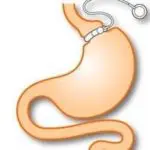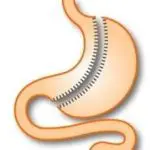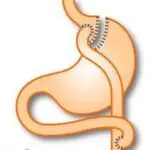
Obesity surgery, also called bariatric surgery, is an operation to reduce the size of the stomach in order to lose weight, that is to say that it intervenes on the stomach area with the aim of making the operated person lose weight. Obesity surgery in Tunisia is intended for adults with significant obesity (i.e. a BMI (body mass index) greater than or equal to 35 kg/m²) or severe obesity (i.e. a BMI greater than or equal to 45 kg/m²). Losing weight requires a lot of effort on the part of the people concerned. The greater the amount of excess weight, the less effective the traditional treatments (diets and sports) are. In some cases, surgery is the best way to treat obesity.
Obesity and excess weight in general cause health problems because this excess weight is the cause of several cardiovascular diseases, diabetes type 2, certain joint diseases and increases the risk of premature death.
The idea of bariatric surgery in Tunisia is to limit the amount of food that the stomach can hold and to decrease the absorption and ingestion of food. Bariatric procedures can also cause hormonal changes that result in a faster feeling of satiety. Bariatric surgery is the most effective way to treat obesity and to achieve a very significant, yet lasting weight loss.
For patients who have undergone bariatric surgery in the past, some have not been able to achieve or maintain their weight loss goals, and some may suffer from side effects due to operations that were not suitable for them. Expansion of the stomach pouch or eating too many calories can be the main causes of not having the expected results. In this case, the revision of bariatric surgery in Tunisia is the solution.
The types of bariatric surgeries that can be revised are :
In addition to cosmetic surgery in Tunisia, Med Assistance offers various bariatric surgery procedures to treat your obesity problem in order to make you lose weight effectively, and to help you improve your appearance and health and regain your self confidence: Gastroplasty (gastric banding), Gastric Sleeve, Gastric Bypass ( or gastric bypass of part of the small intestine and stomach) and Gastric Balloon.
If you are thinking of undergoing bariatric surgery in Tunisia and are looking for the best surgeons in the field of bariatric surgery at the best prices, you can turn to Med Assistance. We offer you cheap prices with all-inclusive packages for each type of surgery: pre-operation consultation, surgeon’s fees, clinic fees, hotel stay and travel to Tunisia. Ask for a free estimate of the surgical technique you wish to undergo.
| Interventions | Price | Stay |
|---|---|---|
|
Gastroplasty (gastric band) |
2 nights / 3 days |
|
|
Intragastric balloon |
2 nights / 3 days |
|
|
Polyurethane gastric balloon (one capsule) |
2 nights / 3 days |
|
|
Sleeve gastrectomy |
4 nights / 5 days |
|
|
Gastric Bypass |
4 nights / 5 days |
Your doctor will tell you what preparations are necessary, depending on the type of surgery you are having.
You will probably be referred to a dietician before your surgery for advice on healthy eating. You will also need to improve your level of physical activity. Some people will be referred to a psychologist or counselor to review their eating habits before surgery.
A very low-calorie diet is usually prescribed for at least two weeks before surgery to reduce the risk of complications. This usually means taking meal replacement shakes.
A consultation with the anesthesiologist is scheduled prior to the operation which allows the patient to discuss his or her history in order to rule out any risks of general anesthesia.
This procedure causes a sensation of satiety that allows the patient to eat smaller portions without feeling hungry. The food remains in the stomach for a longer period of time. The patient avoids snacking between meals.
One month after the gastric balloon is removed, the dietician helps the patient to consolidate his or her new eating habits, which are an essential factor in the durability of the results.
Immediately after your surgery, you will not be able to eat anything for a few days except herbal teas. After starting with liquids, you will move to pureed foods, then to a soft diet and finally to solid foods.
In the long run, you will not be able to eat the same amount after your bariatric surgery. Small portions are essential, and you must change your eating habits. You should eat slowly, chewing your food well. It is often recommended to eat small meals regularly. It is also important to choose nutritious meals to reduce nutrient deficiencies.
Post-operative follow-up after bariatric surgery is lifelong. After most types of bariatric surgery, your doctor will recommend that you take regular vitamin and mineral supplements. This is because surgery can affect your ability to absorb enough nutrients from food. When you don’t get enough nutrients, you may develop problems such as anemia or osteoporosis.
Recommended supplements are usually as follows:
Iron
Vitamin B12
Folic acid
Calcium
Vitamin D
Zinc
Vitamin B1 (needed for vomiting after bariatric surgery)
Regular blood tests are usually recommended to check your nutrient levels to make sure you are not deficient. Vitamin and mineral supplementation is generally required throughout life.
Some bariatric surgery procedures in Tunisia can be reversed, but others cannot. Make sure you know beforehand if you have the option to reverse the procedure.
It is recommended that people who have undergone bariatric surgery in Tunisia be followed up throughout their lives. Follow-up involves:
Checking your weight;
Making sure you have no nutritional deficiencies;
Checking for side effects
Verifying that you are taking the prescribed nutritional supplements.
Bariatric surgery in Tunisia, also known as restrictive surgery, limits the amount of food you can eat, but it is also important that you eat nutritious foods that are not too high in calories. It is also important to get enough physical activity (at least 30 minutes every day) to continue to lose weight and maintain that loss.
Your doctor will give you tips on how to reach your weight loss goal and keep the weight off.
Some people find that they do not lose as much weight as they had hoped after bariatric surgery in Tunisia, while others may regain some of the weight lost.
It is very important that you have ongoing support from your doctor and a nutritionist to help you lose weight.
Long-term lifestyle changes, such as increased physical activity and a healthy diet, are essential to losing weight and maintaining weight loss, even after bariatric surgery in Tunisia
It has been conclusively demonstrated that bariatric surgery in Tunisia increases life expectancy and quality of life for morbidly obese patients. Obesity is a complex, lifelong disease that requires long-term treatment. Patients who have undergone successful weight loss surgery need more than just surgery to achieve a good result.
The number of pounds people lose after bariatric surgery in Tunisia depends on the individual and the type of surgery they had. One study that followed people for three years after surgery showed that those who had gastric band surgery lost an average of about 20 kg. Those who had gastric bypass surgery lost an average of 40 kg. Most people regained some weight over time, but the weight regain was generally small compared to their initial weight loss.
The long-term results of gastric sleeve surgery appear to be similar to or slightly less than those of gastric bypass surgery.
Your weight loss may be different. Remember, achieving your goal depends not only on the surgery, but also on maintaining healthy lifestyle habits.
+ 33 (0)1 87 64 13 99
+44 (0) 20 38 85 06 59
+1 438-797-0207
+ 216 56 514 456
contact@medassistance.fr